
Better Air Quality Can Reduce Respiratory Risks
Why Ventilation Matters More Than You Think
Indoor air quality can have a greater impact on our health than many people realize.
Today,
we spend much of our time in homes, offices, and kitchens— 70–90% of the day.
Yet indoor air pollution can be 2–5 times higher than outdoors.
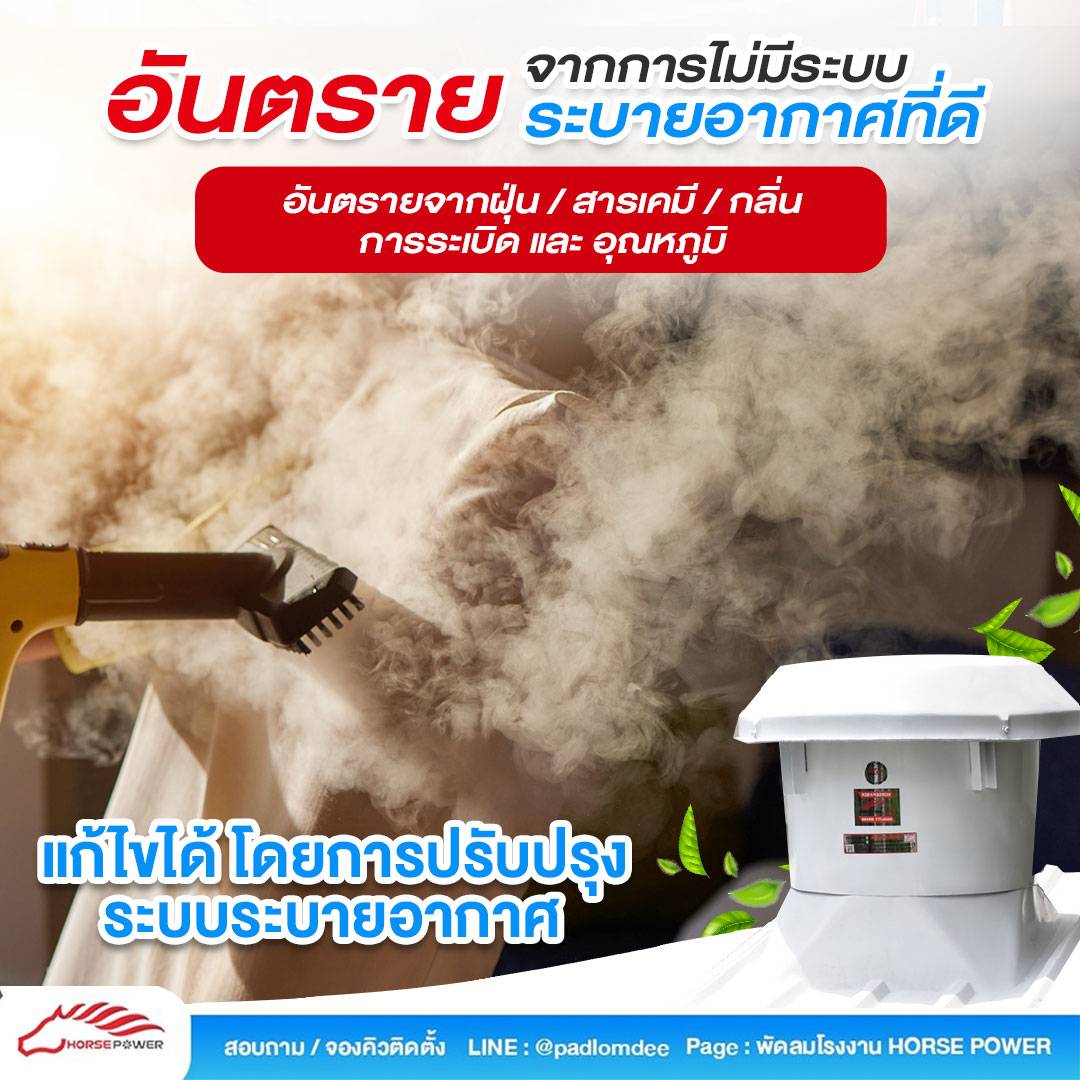
This is particularly relevant to kitchen extensions, buildings without air openings, restaurants, factories, and areas with poor air circulation.
Many households experience these problems without realizing it.
Problems Caused by Poor Ventilation
1) Heat Buildup Beneath Roofs and Indoors
Sunlight heats enclosed spaces throughout the day.
That heat then radiates back down, making homes and kitchens increasingly hot and stuffy—
even during the cooler season.
2) Cooking Fumes, Odors, and CO₂ Accumulate
This is especially common in kitchens and crowded areas.
High CO₂ levels can cause drowsiness, fatigue, and a feeling of breathlessness.
3) High Humidity Encourages Mold
Enclosed, poorly ventilated spaces
provide favorable conditions for mold and bacteria,
which can contribute to respiratory illness and allergies.
4) Particulate Matter and Irritants Build Up
Without air circulation, dust remains indoors.
In homes where air conditioning runs all day, dust may keep circulating instead of being removed.
5) Comfort and Productivity Decline
Spending long periods in poor indoor air can lead to:
– Fatigue
– Irritability
– Headaches
– Difficulty sleeping
– Reduced productivity
Potential Health Effects
When ventilation is inadequate, accumulated pollutants can affect the body in several ways:
Respiratory Conditions
-
Difficulty breathing
-
Persistent cough
-
Bronchitis
Allergy Flare-Ups
Dust, mold, smoke, and airborne cooking grease can all be significant triggers.
Sick Building Syndrome
Symptoms may include headaches, dizziness, persistent drowsiness, breathlessness, and feeling unwell at work or in the kitchen.
Indoor Mold
Moisture buildup promotes mold growth, which can affect respiratory and immune health.
Why Is Effective Ventilation Essential?
A well-designed ventilation system can help:
-
Reduce indoor heat
-
Lower humidity
-
Remove fumes and odors
-
Replace stale air with cleaner incoming air
This can make spaces more comfortable, support better health, and reduce respiratory health risks.
HORSE POWER Roof Fans for Modern Homes and Kitchens
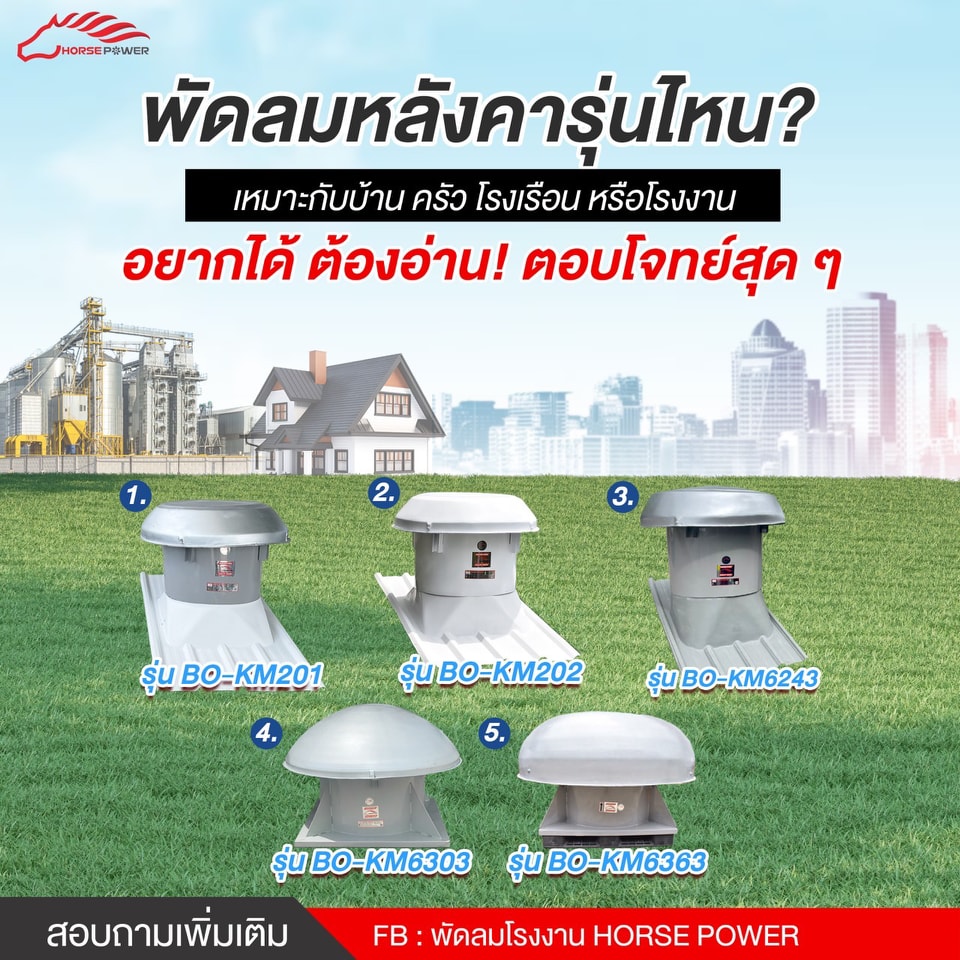
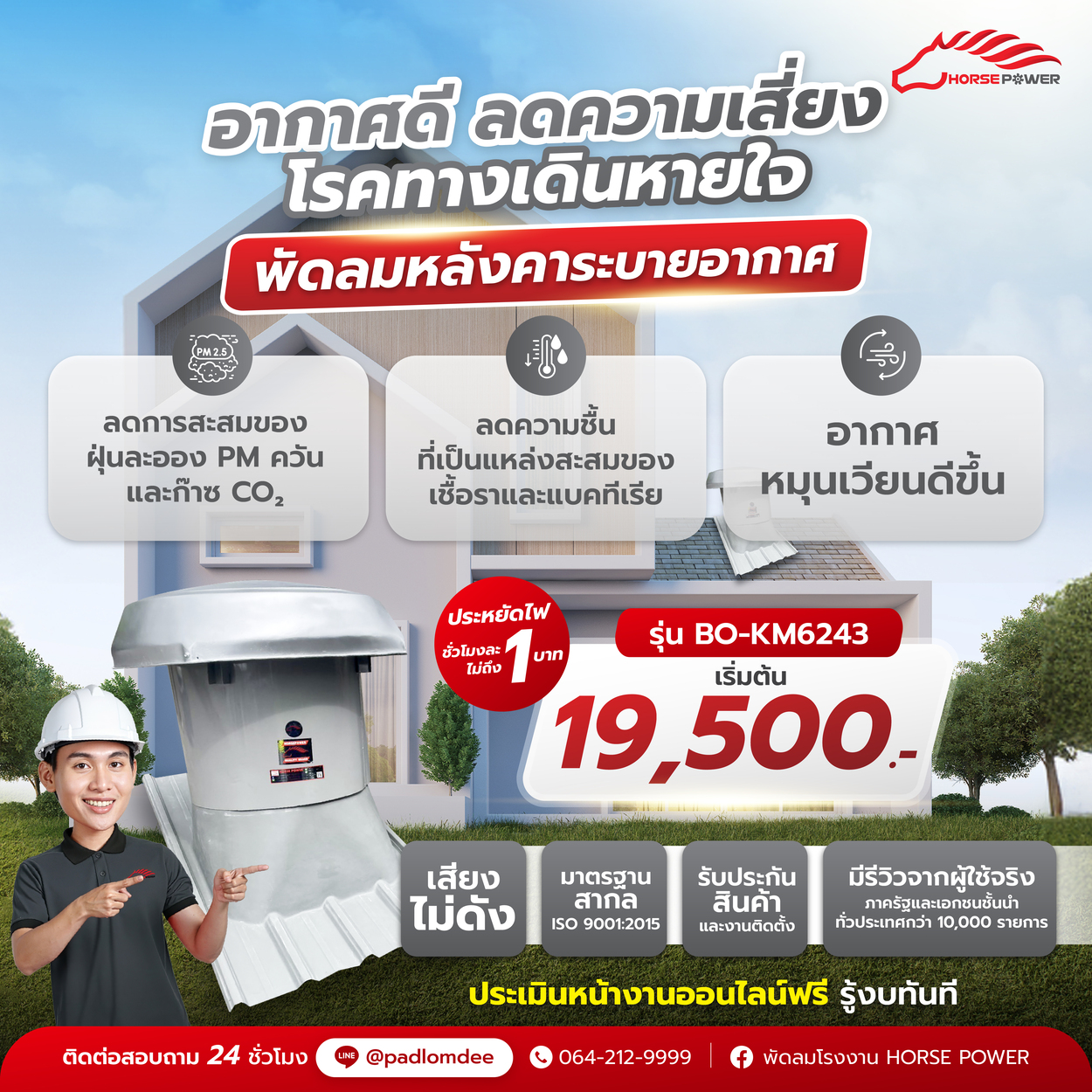
HORSE POWER systems are designed specifically to address poor ventilation.
They extract hot air from roof spaces and interiors, allowing cooler outdoor air to enter continuously.
HORSE POWER System Highlights
-
Rapid removal of accumulated heat
-
Reduced cooking odors, fumes, and airborne grease
-
Lower humidity and less mold growth
-
Improved airflow throughout the day
-
Low electricity use—less than 1 baht per hour
-
Quiet operation with minimal disturbance
-
Installation on all roof types, including CPAC tiles
-
Installation completed in 1 day, ready for use
Applications Across Different Spaces
Suitable Applications
-
Homes affected by heat or stuffiness
-
Kitchen extensions and home kitchens
-
Restaurants
-
Enclosed spaces
-
Bakeries and cloud kitchens
-
Areas requiring continuous air circulation
Want Better Air at Home?
Send site photos or video to the HORSE POWER team for a free assessment.
No charge and no additional fees later.
We have over 30 years of experience in ventilation systems
and are ready to help your home breathe better.