
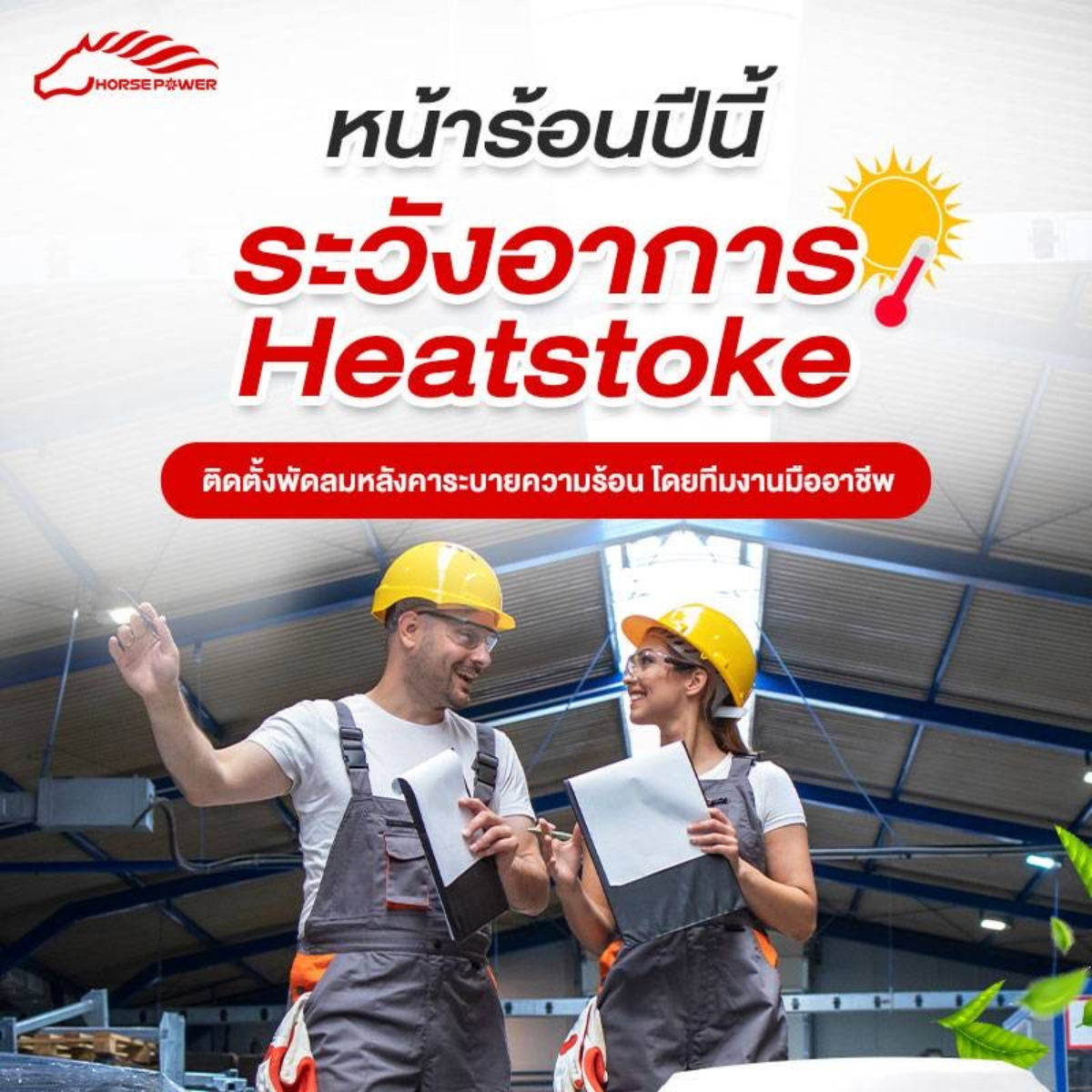
HeatStroke occurs when the body can no longer regulate its temperature effectively as heat rises. It can affect multiple organs and be life-threatening. People at risk include outdoor workers, athletes training in the sun for long periods, and people working in hot buildings with inadequate ventilation.
Heatstroke is particularly common in hot weather. Thailand has a warm climate throughout the year, with especially high temperatures in summer. Heatstroke is an acute medical emergency that can cause serious complications, including organ failure. Without prompt treatment, it can be fatal.
Types of Heatstroke
Heatstroke is generally classified into two main types:
-
Heatstroke Related to Physical Exertion. Exertional heatstroke can occur when prolonged strenuous activity in hot weather or direct sunlight exceeds the body’s ability to cope. At-risk groups include athletes training outdoors, military personnel on outdoor exercises, and tradespeople or laborers doing physical work in the heat.
-
Heatstroke Not Related to Physical Exertion. Non-exertional heatstroke can occur during prolonged exposure to high temperatures and dehydration, including in poorly ventilated spaces. Production workers in hot factories with inadequate ventilation may be at risk. Older adults are particularly vulnerable.
Warning Signs of Heatstroke
Because heatstroke can be life-threatening, recognizing warning signs matters. The PADLOMDEE / HORSE POWER team highlights the following symptoms:
-
Hot, dry skin or heavy sweating.
-
Flushed skin and a high body temperature.
-
Persistent thirst.
-
Rapid breathing, a racing heartbeat, dizziness, and possible nausea or vomiting.
-
Low blood pressure, faintness, or a spinning sensation.
-
Severe symptoms may include hallucinations, disorientation, and confusion.
First Aid for Heatstroke
Heatstroke is a medical emergency. Seek emergency medical help immediately and start cooling the person while help is on the way. Check whether they respond and are breathing normally. If they are unresponsive and not breathing normally, begin CPR and follow the emergency dispatcher’s instructions.
-
Move the person to a cool, shaded or air-conditioned place.
-
Stay with the person, monitor their breathing and follow the emergency dispatcher’s instructions.
-
Remove excess clothing and loosen tight clothing to help the body cool.
-
Do not give anything to drink.
-
Cool the skin with cold, wet cloths. Apply wrapped ice packs to the neck, armpits and groin.
-
Do not wait for symptoms to improve before seeking emergency medical care. Continue cooling while help is on the way.
How Can Heatstroke Risk Be Reduced?
For people who work or exercise in hot conditions for long periods, PADLOMDEE offers the following prevention advice:
-
For prevention, drink enough water throughout the day. The original guidance recommends at least 8 glasses daily and at least half a litre every hour during prolonged heat exposure, even before you feel thirsty. Individual fluid needs vary. This advice does not apply to someone with suspected heatstroke.
-
Avoid alcohol during hot weather.
-
Cool drinks can help you stay hydrated when you are well, but cold foods and drinks do not guarantee protection against heatstroke.
-
Wear breathable clothing that does not trap heat.
-
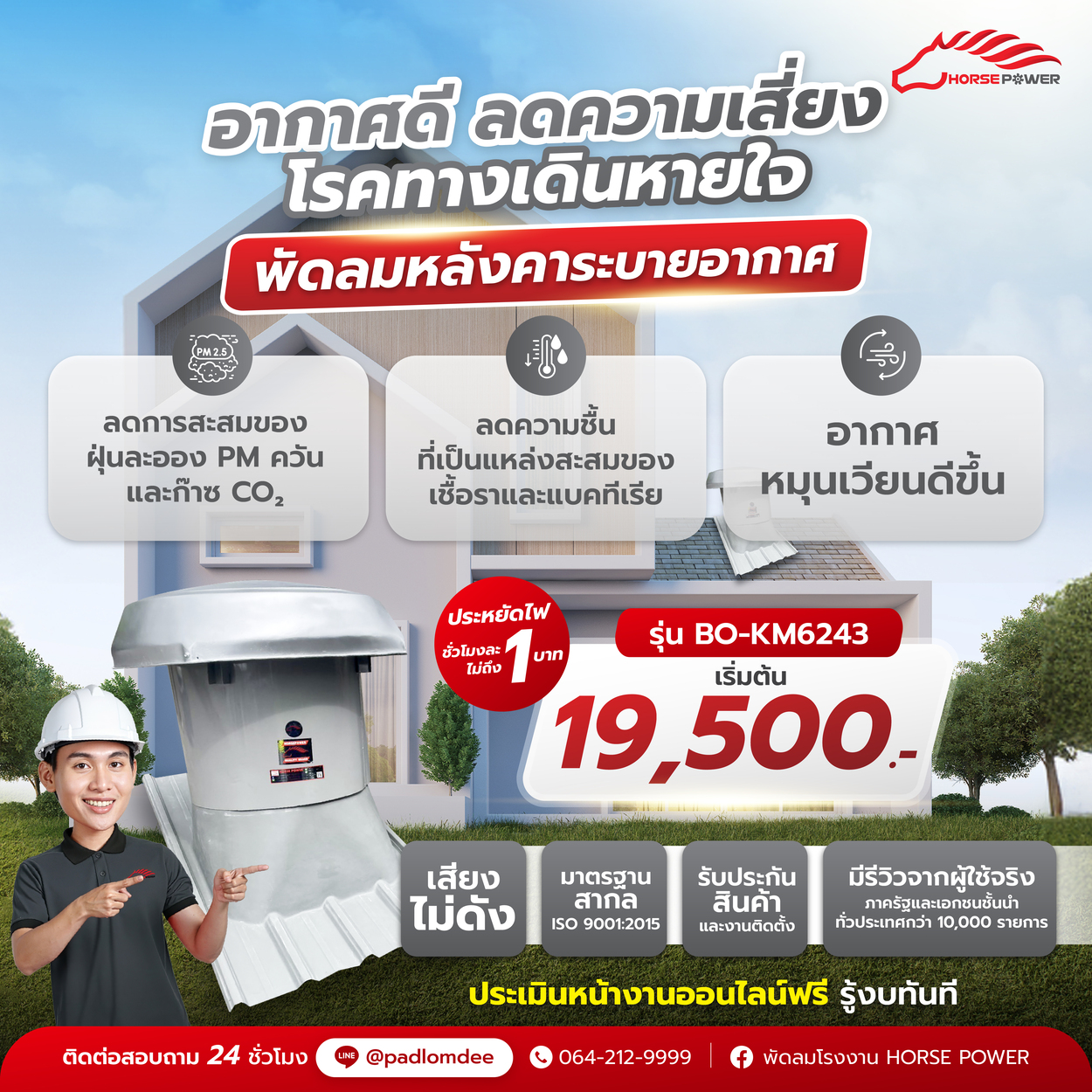
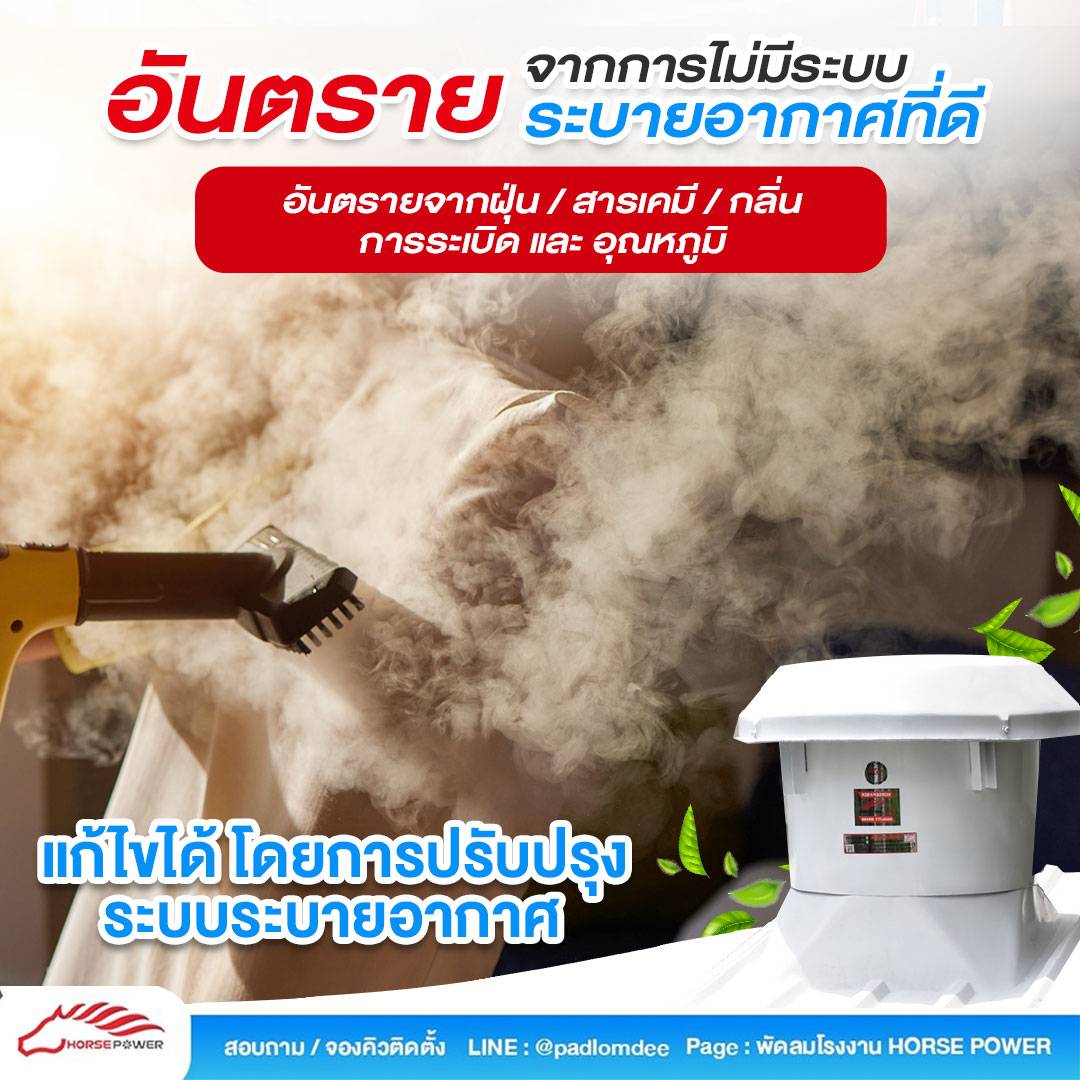
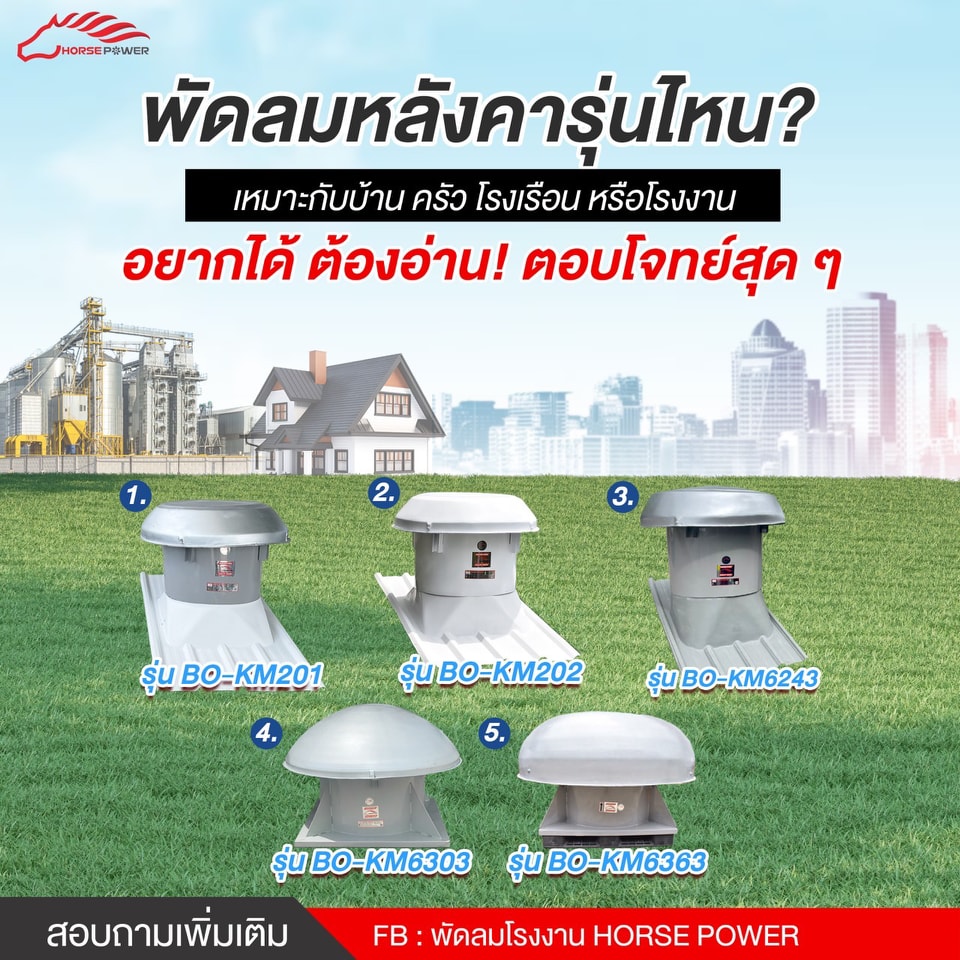
Good indoor ventilation can reduce heat buildup and improve air circulation. It should form part of a wider heat-control plan; ventilation fans alone cannot guarantee protection against heatstroke.
Conclusion
Heatstroke can develop during prolonged exposure to high temperatures, with or without physical exertion. Appropriate ventilation and air conditioning can help manage indoor heat, but do not eliminate the risk of heatstroke. For advice on ventilation system design and installation for buildings, warehouses and industrial facilities, contact PADLOMDEE.